DroneGun
DroneGun Capability Overview

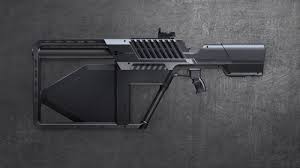
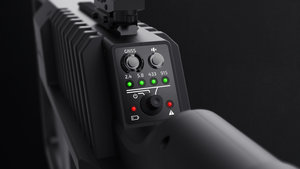
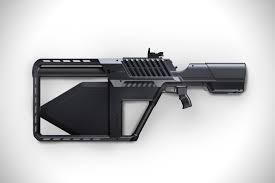
What is a DroneGun
A DroneGun is a portable counter-drone system designed to disrupt the signals a drone relies on to operate.
It typically uses directed radio frequency and satellite navigation disruption to interfere with the link between a drone and its operator, or to affect GPS-guided autonomous flight.
Depending on the drone model, this may cause the drone to hover, land, or return to its launch point, allowing authorised users to manage the threat in a more controlled way.
How DroneGun-Style Systems Work
- Signal Disruption
Interrupts communication between the drone and its operator. - Navigation Disruption
May affect GPS or other satellite navigation used by autonomous drones. - Controlled Response
May cause the drone to hover, land or return to its launch point, depending on the drone model and configuration.
Capability Benefits
- Portable, mobile response capability
- Directed disruption across operationally relevant distances
- Disruption of drone command and control links
- Interruption of live video transmission
- Optional GNSS disruption capability
- Support for controlled landing or return-to-home outcomes
- Reduced risk of debris compared with kinetic options
- Potential to preserve the drone for investigation
- Field-ready transport and storage options
Operational Limitations
DroneGun-style systems are not a universal counter-drone solution. Their performance depends on the drone type, control link, navigation method, range, terrain, environment, system configuration and user authority.
• Restricted legal use in many jurisdictions
• Potential interference with other spectrum users
• Potential impact on GPS or other satellite navigation systems
• Reduced effectiveness against some autonomous or hardened drones
• Environmental and line-of-sight constraints
• Need for training, authorisation and operating procedures
• Requirement to integrate with detection, identification and escalation processes
Where This Capability Fits
DroneGun should not be viewed as a standalone solution.
It is one possible response option within a layered counter-drone capability that may include:
- Threat and risk assessment
- RF detection
- Radar detection
- Optical and thermal confirmation
- Command and control procedures
- Escalation protocols
- Lawful response options
- Post-incident reporting and evidence preservation
How Counter Drone Solutions Can Assist
Counter Drone Solutions helps clients assess whether DroneGun-style capability is appropriate, lawful and operationally suitable for their environment.
We can assist with:
• Threat and risk assessment
• Capability requirements definition
• Market and manufacturer comparison
• Legal and operational considerations
• Integration with existing security systems
• Demonstration and validation planning
• Development of operating procedures
Worldwide Manufacturers
Counter-drone technology is a rapidly evolving global market, with a range of manufacturers offering specialised detection, tracking, identification and response capabilities.
Modern counter-drone systems may incorporate radio frequency sensing, radar, optical and thermal sensors, artificial intelligence, machine learning, sensor fusion, electronic warfare, rapid prototyping and ruggedised system design.
These capabilities are used across military, government, law enforcement, critical infrastructure, commercial and high-risk security environments worldwide.
Counter Drone Solutions works with clients to assess operational requirements, compare available technologies and identify suitable capability options. This may include off-the-shelf systems, customised solutions, or integrated platforms designed for terrestrial, maritime or mobile deployment.
Legal and Regulatory Considerations
Drone disruption systems are subject to strict legal and regulatory controls.
In Australia, radio frequency, GPS, Wi-Fi and drone jamming devices are heavily restricted and generally only available to authorised users in approved circumstances.
Any use of DroneGun-style capability should be assessed against legal authority, operational necessity, risk, proportionality and potential impact on other systems.