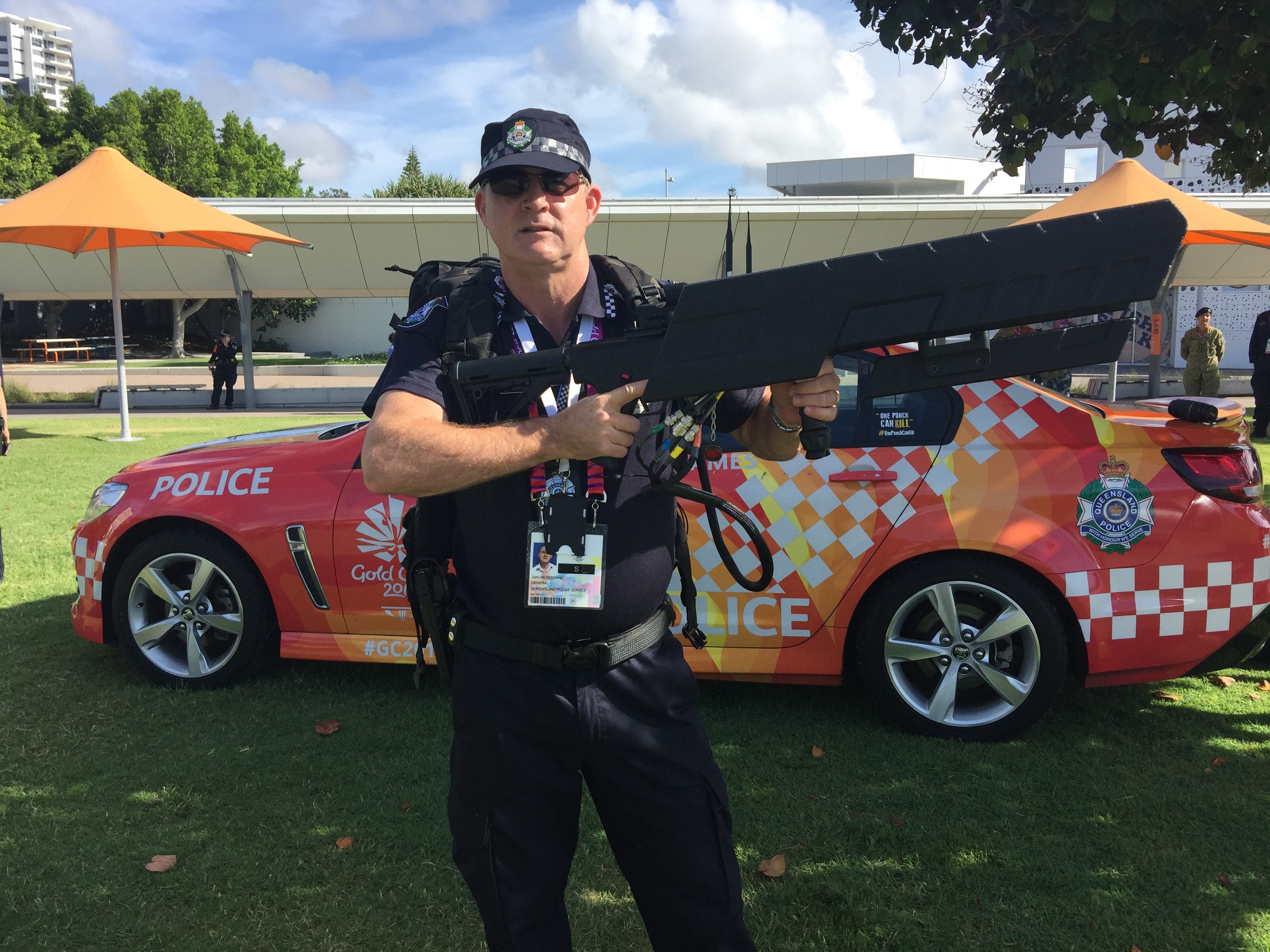
Managing Director John Hildebrand
- 30 years in law enforcement
- Commonwealth Games Counter Drone Capability, Senior Project Officer
- Multiple Assessments Across Australian Airports and Prisons
Most Organisations Have Never Measured Their Own Drone Activity
Almost every organisation we speak to is working from an impression. A sighting someone reported. An incident at a similar site. A vendor briefing that made the risk sound urgent.
Nobody has actually counted.
Until you know how many drones are over your site, how often, and what they appear to be doing, every procurement decision is a guess — and an expensive one.
A thirty-day baseline costs a fraction of a detection system and frequently changes what gets bought, or whether anything gets bought at all.
Where Counter Drone Procurement Goes Wrong
- REQ — A system is selected before anyone has written an operational requirement,
- VAL — Performance is taken from a datasheet and never validated in the actual environment,
- LAW — The response plan assumes powers the organisation doesn’t hold,
- OPS — Detection is installed with nobody trained or rostered to act on an alert.
What We Detect, and What We Don’t
Independence means being specific about the limits of our own work.
Our assessments are built around the drones that actually appear in Australian civilian airspace: consumer aircraft, and consumer aircraft with modified firmware or communications. These are detectable, identifiable and well understood. When we give you a number, we can stand behind it.
We do not assess against fibre-optic controlled or fully autonomous aircraft. Those threats emit nothing to detect, and any consultant who tells you they can reliably measure them over your site is selling you something. They belong to a military problem set, and if you are ever genuinely facing one, the answer involves agencies rather than advisors.
If a vendor is showing you footage from a conflict zone, ask which of those aircraft they have detected in Australia, and how many times.
Services Summary
| Service | What is it | Price |
|---|---|---|
| 7 days — Preliminary activity assessment | Temporary sensors, initial observations, verbal debrief and short written summary. Tells you whether extended monitoring is warranted. | From $5,000 |
| 30 days — Operational threat assessment | Long-duration monitoring, activity patterns, formal written report and executive summary. Tells you whether you need capability at all. | Quoted per site |
| Capability design & validation | Operational requirements, gap analysis, vendor-neutral market advice, procurement support. | Quoted per site |
| Workshops & executive awareness | How detection works, what RF can and can’t do, legal considerations, questions to ask before procurement. | Half or full day |
Can We Just Bring Them Down?
It is the second question every client asks, and for most Australian organisations the answer is no.
Generally available: detecting, tracking and recording drone activity, subject to how equipment is configured and used, and to privacy obligations.
Tightly restricted: actively interfering with a drone or its control link, which engages Commonwealth radio communications, telecommunications and aviation law and is in practice confined to specified agencies under specified authorities.
Much of the counter-drone equipment marketed in Australia sits on the wrong side of that line for a private operator. We tell you which powers you hold, which you don’t, and who you would need to call. This is general information, not legal advice.
Operational Environments We Support

Airports
Runway incursions, ground stops, and closures costed in minutes.
Corrections
Contraband delivery and the intelligence value of knowing when.

Infrastructure
Reconnaissance of assets never designed to be viewed from above.

Stadiums & Events
Crowded places, temporary airspace arrangements, one-off operating windows.

Ports and Maritime
Surveillance of cargo operations and secure berths, from land or from water.
Next Steps
Start with the measurement, not the catalogue.
Tell us the site, the concern, and where you are in the process. If an assessment isn’t what you need yet, we will say so.