Kinetic Counter-Drone Capability
Physical Response Options Within A Layered Counter-Drone Strategy
Technology Considerations
The technologies referenced on this page are representative examples of counter-drone response capabilities currently available within the market. Counter Drone Solutions does not advocate a single technology, manufacturer or response methodology. Capability selection should be based on operational requirements, environmental conditions, legal considerations and validated threat assessment outcomes.
Introduction
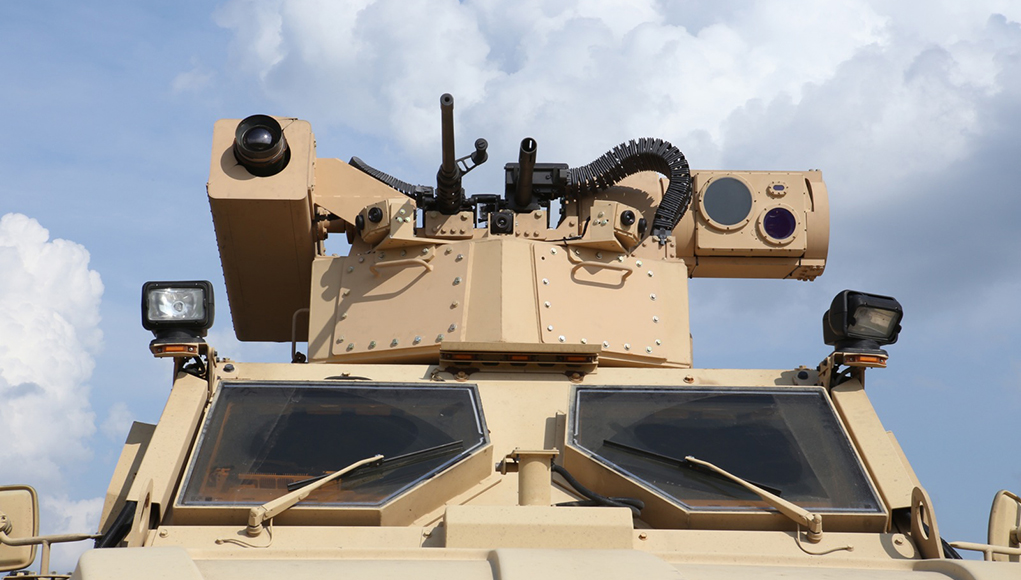
Kinetic counter-drone solutions are physical response options designed to intercept, capture, disable or otherwise stop an unauthorised drone. These capabilities may include net capture systems, interceptor drones, projectile-based systems or other physical defeat methods. Unlike electronic disruption, kinetic solutions do not rely on radio frequency or GNSS interference, which may make them relevant in environments where electronic attack is not lawful, appropriate or operationally suitable.
Types of Kinetic Capability
Kinetic counter-drone capability may include net capture systems, interceptor drones, projectile-based capture systems and other physical response methods. Each option has different operational, legal, safety and deployment considerations. Some kinetic systems are designed to physically damage, disable or destroy the drone. These capabilities are generally more sensitive and may raise increased legal, safety and liability considerations. They may be more relevant in defence, military, remote-site, or highly controlled operating environments than in populated public or commercial settings.
Where Kinetic Fits In
Kinetic response options may be considered where an organisation requires a physical method of stopping or capturing a drone after detection and identification has occurred.
These systems may be relevant in authorised environments where:
- Electronic disruption is not permitted or not operationally suitable,
- Preservation of the drone for forensic examination is desirable,
- The operating environment allows safe physical engagement,
- Trained personnel are available,
- Legal authority exists, and
- The response is integrated into a broader security model.
Operational Limitations
Kinetic counter-drone solutions are not suitable for all environments. Operational effectiveness may be influenced by:
- Line of sight to the drone,
- Drone speed, altitude and manoeuvrability,
- Operator skill, training and positioning,
- Engagement distance,
- Surrounding people, property and infrastructure,
- Weather and visibility,
- Projectile safety considerations,
- The likelihood of drone debris or payload impact, and
- Post-capture evidence handling requirements.
Legal and Regulatory Considerations
Kinetic counter-drone systems involve the physical interception, capture or disabling of a drone. This may include net capture systems, interceptor drones, projectile-based capture systems or other physical response methods. In Australia, CASA warns that interfering with a drone can attract serious penalties, including imprisonment in some circumstances, particularly where the interference creates an aviation safety hazard. Kinetic systems may also create practical legal risks where a drone is damaged, falls into a public area, causes injury, damages property, or where the operator does not have clear authority to take action. Unlike detection-only systems, kinetic response involves active intervention and should only be considered where the legal authority, operating environment, safety controls and response model are clearly understood. Counter Drone Solutions does not provide legal advice. Clients should obtain independent legal, regulatory and operational advice before acquiring, deploying or using kinetic counter-drone capability.