Dedrone by Axon Technology Overview
Technology Considerations
The technologies referenced below are representative examples of counter-drone capabilities currently available within the market. Counter Drone Solutions does not advocate a single technology, manufacturer or sensor approach. Technology selection should be based on operational requirements, environmental conditions, legal considerations and validated threat assessment outcomes.
Fixed-Site and Mobile Deployment Approaches
Fixed Site
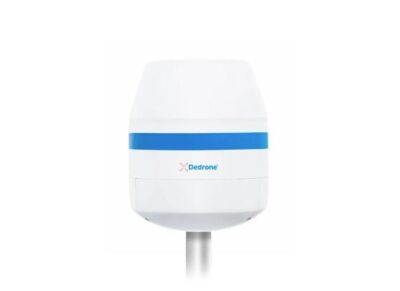
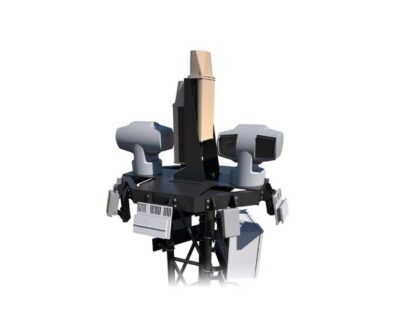
For the fixed sight solution, you can have a single layer or multiple layers depending on your security needs. Where Dedrone radio frequency (RF) sensors are installed at a location, and they detect the presence of a drone, it is identified and classified by the drone database, with direction information displayed on the DroneTracker interface. If you add a PTZ camera, it will turn towards the direction of the drone. If you add a radar, it will track the drone providing a precise location and altitude.
Mobile Solution
Mobile counter-drone capability examples are generally suited to temporary, event-based or rapidly deployable operational requirements. Mobile systems may support flexible deployment where permanent infrastructure is not required, or where drone detection capability is needed for short-duration operations, public safety activities, major events, temporary sites or incident response. As with fixed-site deployments, effectiveness depends on sensor configuration, operating environment, RF conditions, terrain, line of sight and integration with broader security workflows.
Operational Considerations
Integrated counter-drone platforms should not be assessed solely on product specifications or isolated demonstrations. Operational effectiveness may be influenced by terrain, infrastructure, RF congestion, sensor placement, deployment duration, legal considerations and the broader layered security approach. Technology selection should ideally follow validated operational threat assessment and environmental analysis.